
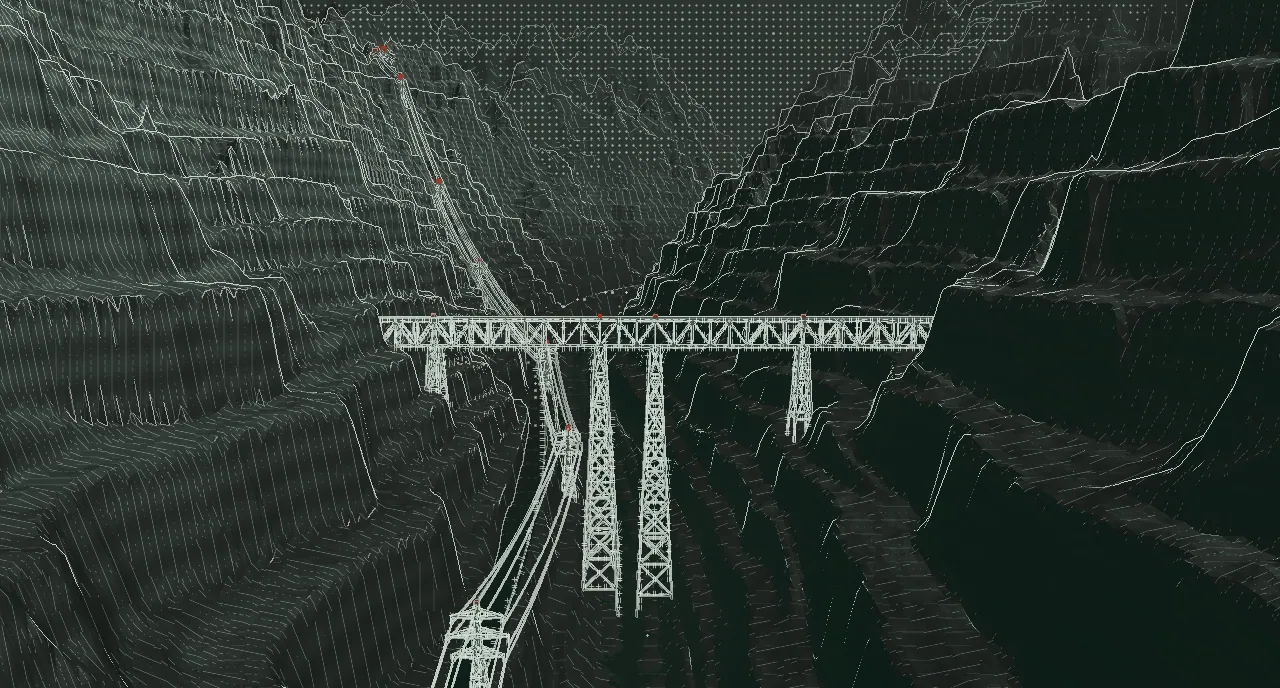
The built world, given a memory.
Grainwork turns ordinary phone video into measured 3D models of real places, and is built to recognize each place again on every later visit. The only equipment is the phone in your pocket.
Buildings have no memory of their own.
Rooms, buildings and infrastructure exist in three dimensions, but almost everything known about them is scattered across flat files and people’s heads. Once an ordinary phone camera can recover real measurements from motion, and recognize the same space months later, any structure can keep a lasting 3D record of what is there and how it changes.
Why we start with rooms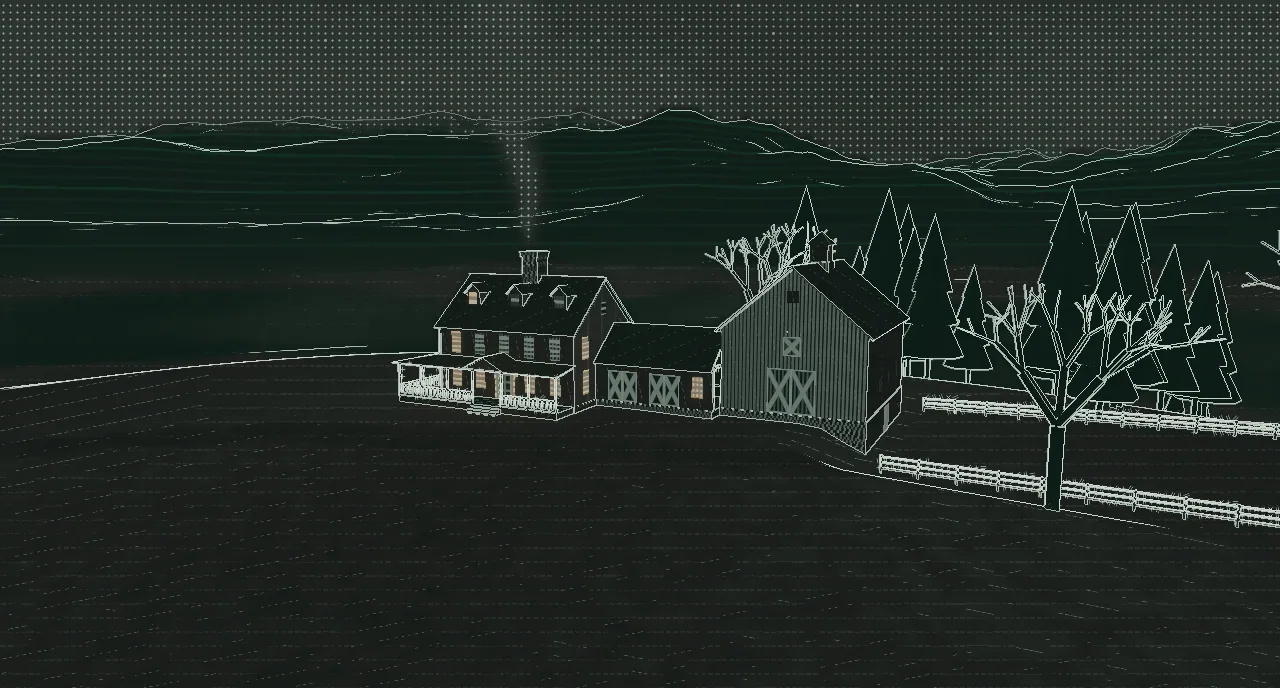
We start with the hardest case.
A cluttered room filmed on an uncalibrated phone is about as hard as computer vision gets: reflections, furniture in front of every wall, and a camera that goes wherever the hand holding it goes. Read a lived-in home from one 90-second walk, and the same engine scales to other structures.
One living room, captured in 90 seconds.
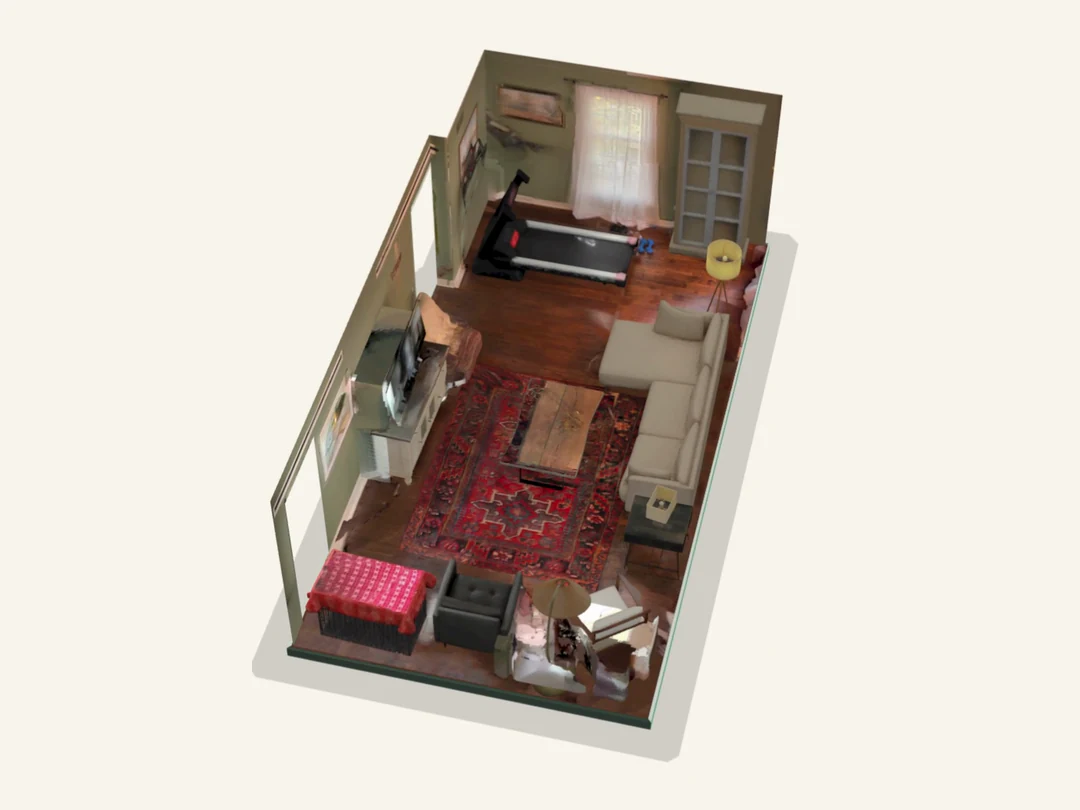
Walk the room once with an ordinary iPhone. In the cloud, Atlas works out the walls, openings and scale from the video and the phone’s own motion, then projects your photos onto that geometry. In the film the coffee table moves from above, then the view steps down beside the sofa at eye level. Room twins are in early access.
Inside the capture Full 49-second film
Overhead and at eye level, from one walk.
A 90-second iPhone walkthrough supplied the walls, openings and floor plan. Overhead shows how furniture fits the room; eye level shows how that arrangement reads from inside.
Room twins are available only to early-access accounts. This room’s detailed furniture models were made on our own machines; bringing that step into the cloud is next.
How Atlas measures a room from video alone.
Atlas has no depth sensor, markers or floor plan to lean on. It combines the camera’s path with depth learned from single images, across hundreds of frames, to carve out the empty space in a room and recover its walls and openings as clean planes.
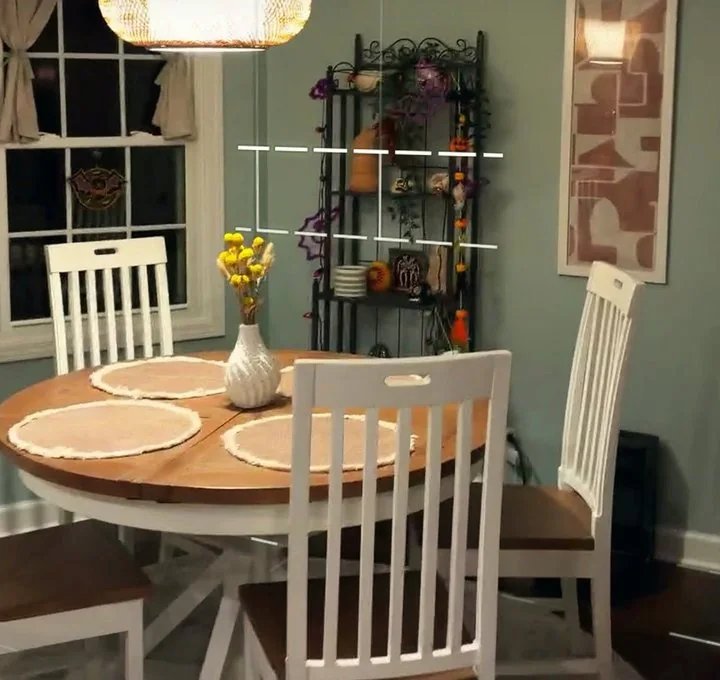
Structural boundaries lock live as a base iPhone 17, which has no LiDAR sensor, moves through the room.
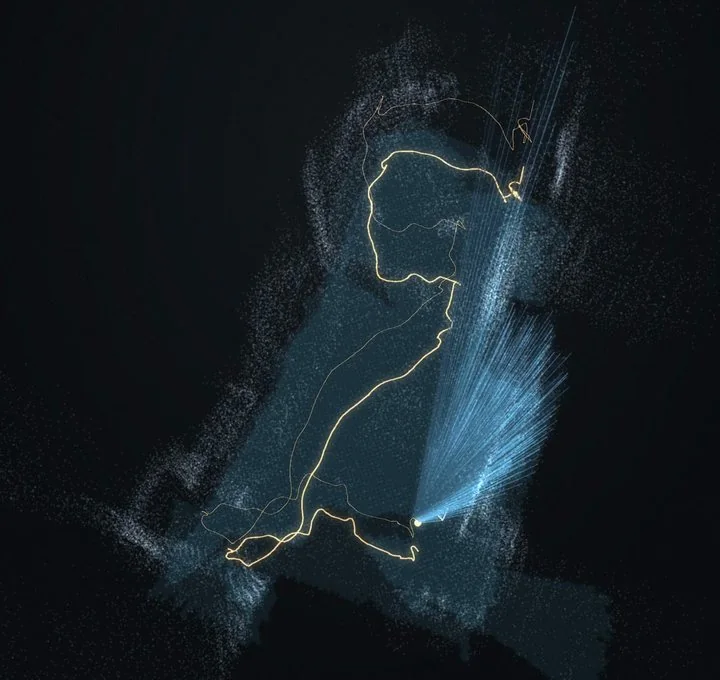
The camera’s position and lines of sight carve out empty space across the whole walk, so noisy depths from single frames are made to agree.
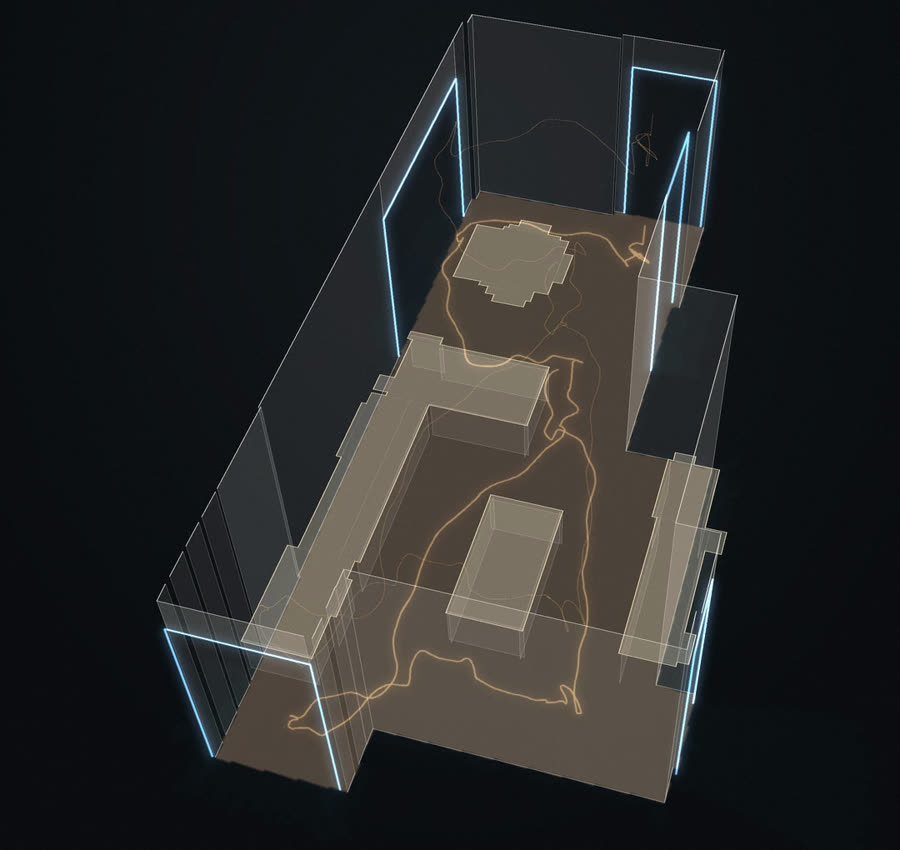
Walls, openings and volumes the camera saw are fixed in real-world units. Surfaces it never saw are inferred.
Walk back in months later, and it should know the room.
A capture of one visit is a snapshot. A solver that recognizes the same space across separate walks becomes a coordinate system for change over time. Automatic recognition already holds on recorded walks through houses it has seen before; houses it has never seen are the next test.
Where it goes from here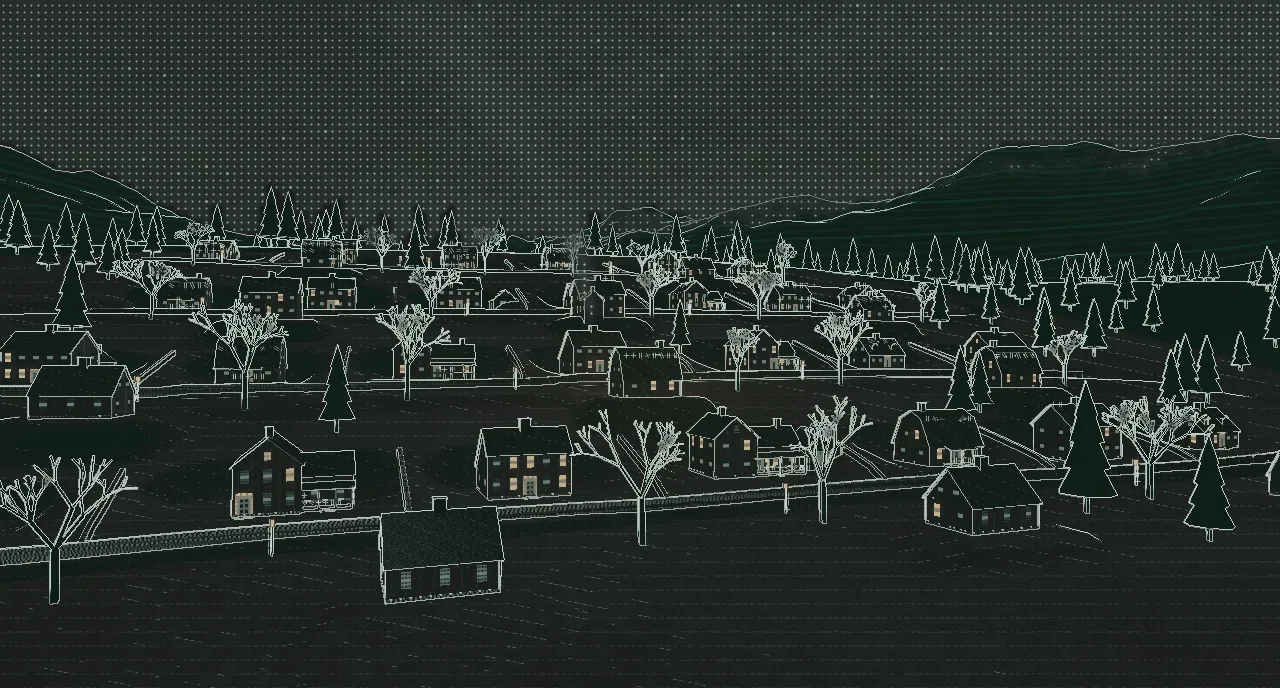
From one room to a whole hillside.
Picture forty houses along one ridge, each solved the way the living room was. With owners’ permission, every walkthrough adds to what Grainwork knows about how buildings are put together, across thousands of them, in ways no single visit can show.
Homes are where it starts.
We start with homes because the camera is already in every pocket, and room twins already run in early access on iPhone and Android. Once recognition holds in houses it has never seen, the same spatial record extends to workplaces, commercial property, industrial sites, insurers, utilities and civil infrastructure.
Request early access or take the tourEarly access
Scan a room of your own.
Join the early-access list to scan a room on iPhone or Android.